Fire Detection Systems and the Joelma Building: How the Tragedy Reshaped Building Safety Codes in Brazil
· 1 min read
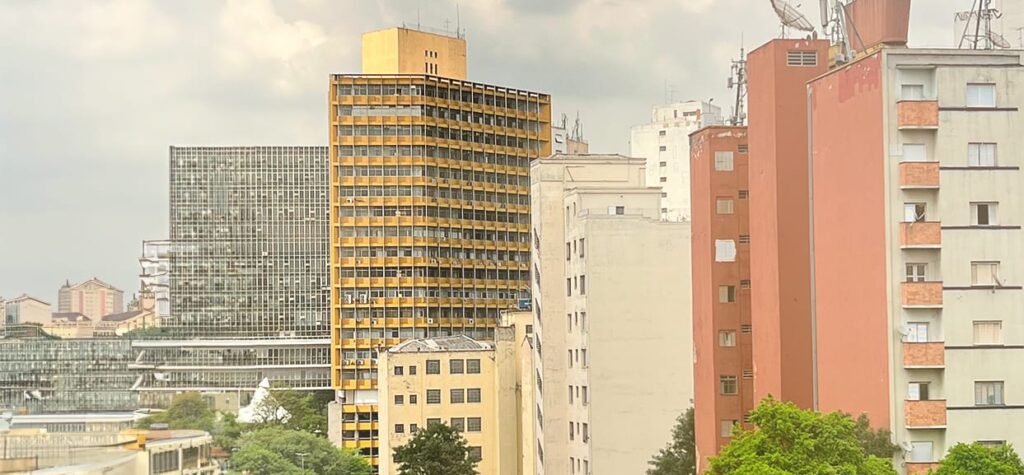
Earlier this month marked 50 years since the fire at the Joelma Building in downtown São Paulo. The tragedy had a major impact across the country. Several factors made the fire worse, including highly flammable materials, unqualified crews handling electrical wiring, and the lack of escape routes and emergency guidance for the building’s occupants, resulting in the deaths of more than 180 workers.
As a result, many questions were raised and building safety codes were changed nationwide. These changes included the enforcement and inspection of NBR5410, which focuses on protective circuits, installation methods, infrastructure, and the sizing of equipment and cabling, and NBR17240, which covers fire detection, as well as the creation of the Fire Department Inspection Certificate (AVCB), which certifies that buildings are safe with regard to potential fires or panic situations.
These changes were a milestone in the history of building safety. The tragedy served as a warning about the need for stricter codes and more effective safety procedures, reinforcing the commitment to protecting lives and preventing future disasters.